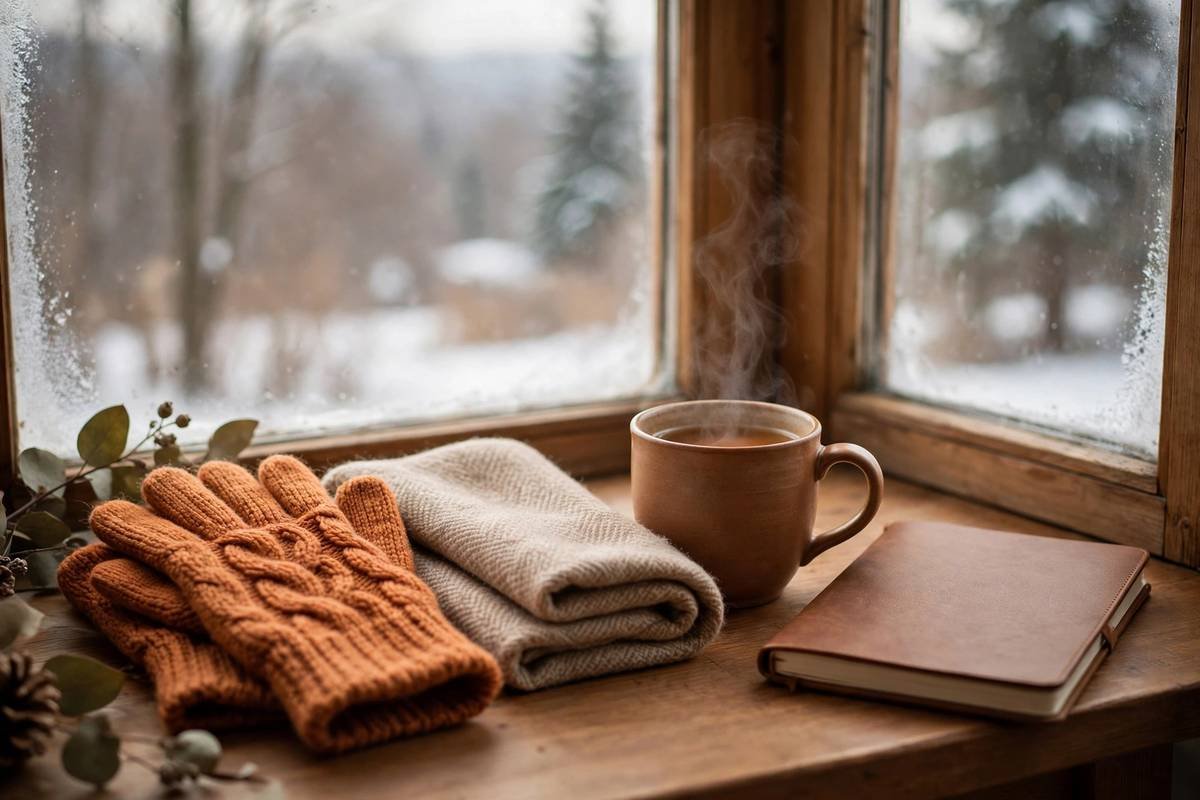
Arthritis cold weather stiffness is a complaint many people report each winter: joints that felt manageable in summer feel stiffer, achier, and less willing to move when temperatures fall. That seasonal pattern is real in lived experience, even though research has not settled a single cause, and even though individual sensitivity varies greatly. Some people notice a strong winter worsening, others notice little change, and some notice worsening with damp, changeable weather rather than cold alone.
This guide explains possible reasons joints feel stiffer in cold weather, what habits help in winter, how to stay active safely when it is cold, and when new or worsening symptoms deserve care rather than winter attribution. It is general information only, not personal medical advice, and it does not replace a plan from your own clinician.
Why cold weather may make joints feel stiffer
Several mechanisms may contribute, and they often act together rather than singly. Cold can cause muscles and soft tissues around joints to tighten, reducing flexibility and making movement feel stiffer, especially first thing in the morning or after sitting in a cold room. Barometric pressure changes, which often accompany cold fronts and storms, may affect pressure inside joints, although evidence for that mechanism is mixed and individual sensitivity varies.
Reduced activity in winter, because of shorter days, icy paths, or reluctance to go outside, can lead to deconditioning, stiffness, and weaker supporting muscles, which in turn make joints feel worse, creating a cycle in which cold leads to less movement, which leads to more stiffness.
Mood and sleep also change in winter for many people. Shorter daylight, lower mood, and poorer sleep can increase pain perception, so the same joint condition may feel worse in winter even if joint damage itself has not changed. That does not mean winter pain is imaginary. Pain perception is a real part of the pain experience, and factors that worsen mood and sleep genuinely worsen how pain feels and how much it limits daily life.
Another factor is that cold weather often coincides with other seasonal changes: heavier clothing that restricts movement, more time indoors with heating that dries air, more colds and infections that can trigger flares in some inflammatory conditions, and holiday eating and activity changes. Attributing all winter worsening to temperature alone may miss those co-factors, which are often more actionable than temperature itself. Keeping a simple winter diary, noting temperature, activity, sleep, mood, and symptoms, can help separate temperature effects from activity, sleep, and infection effects over a season.
Warmth, clothing and home habits that help
Warmth is the most direct winter habit, and it works at several levels. Dressing in layers, with a warm base layer, an insulating middle layer, and a windproof outer layer for outdoor activity, keeps core and joint temperature more stable than a single heavy coat. Gloves are especially important for hand arthritis, because cold hands stiffen quickly and become painful to use, and warm, flexible gloves that allow grip are better than bulky gloves that restrict hand function. Hats and scarves help retain overall warmth, which supports muscle relaxation throughout the body.
At home, keep living spaces comfortably warm, especially in the morning, when stiffness is often worst. A warm shower or bath in the morning can loosen stiff joints and muscles before daily activity, and gentle movement after warming up often feels easier than movement started cold. Heating pads or warm packs, used according to product instructions and never while sleeping, can warm a specific stiff joint before activity, but they should not be used on skin with reduced sensation without clinician guidance, and they should not replace activity itself.
Also consider joint protection habits in winter: avoid carrying heavy bags in cold hands, use ergonomic tools with larger grips if hand stiffness makes small handles painful, and take extra care on icy or wet surfaces, because a fall can injure a joint already affected by arthritis. Footwear with good grip and support reduces fall risk on winter paths, and using a walking aid, if already recommended, is especially valuable on slippery surfaces, not a sign of giving in to winter.
Staying active in winter: indoor options and gradual outdoor activity
Staying active is the most important winter habit, because inactivity worsens stiffness, weakness, and mood, even when cold itself is not the main cause. The Centers for Disease Control and Prevention arthritis programme notes that physical activity can reduce pain, improve function, and improve quality of life for adults with arthritis, and that benefit does not pause in winter. The challenge is to find activity that is safe and enjoyable in cold conditions, rather than stopping activity until spring.
Indoor options include walking in a shopping centre, community centre, or indoor track, swimming or water aerobics in a heated pool, gentle yoga or tai chi classes, stationary cycling, and home based strength and flexibility routines. Water based activity is often especially comfortable for stiff joints, because warm water supports weight and allows movement with less joint load, although pool access and cost vary. Home routines should be introduced gradually, with attention to form and pain, and discussed with a clinician or physiotherapist if you are unsure which movements are appropriate for your joints.
Outdoor activity in cold weather can continue safely for many people, with precautions: warm up indoors first with gentle movement, dress in layers, wear gloves and a hat, choose well cleared paths, shorten the activity on very cold or windy days, and cool down indoors. If outdoor cold triggers severe pain, breathlessness, chest pain, or numbness, stop and seek care as needed, and discuss outdoor activity limits with your clinician. Cold air can also affect breathing for people with asthma or other lung conditions, so respiratory symptoms in cold air deserve clinician discussion as well.
Winter flare planning: pacing, sleep and mood
Winter flares, meaning periods of worsened symptoms lasting days or longer, deserve a plan, not only a reaction. Pacing, meaning breaking activity into manageable chunks with rest breaks, rather than doing everything on a good day and collapsing the next, is especially important in winter, when good days may tempt overactivity indoors, such as a long cleaning or decorating session, followed by a flare. Set time limits for demanding tasks, rest before pain forces rest, and spread demanding tasks across days.
Sleep and mood planning also matter in winter. Shorter daylight can disrupt sleep timing and mood, which can worsen pain perception. A regular wake time, exposure to daylight in the morning where possible, a wind down routine before bed, and social activity, even indoors, can support sleep and mood through winter. If low mood persists, or sleep problems worsen markedly, raise them at a visit, because mood and sleep are part of arthritis care, not separate from it, and support for them can improve joint symptoms indirectly.
Also plan for infections, which are more common in winter and can trigger flares in some people, or can make activity difficult for a week or more. Rest during an acute infection, resume activity gradually after recovery, and discuss vaccination and infection prevention with your clinician, as appropriate for your conditions and medicines. A flare that follows an infection should be noted in your diary, so that future winter patterns can be interpreted with infection history in mind.
What helps, what does not, and what to discuss
Several winter habits have reasonable support as general measures: warmth, layers, gloves, gentle morning movement after warming, regular indoor or outdoor activity adapted to conditions, pacing, sleep regularity, and fall prevention. Those habits are low risk for most people, provided activity is introduced gradually and pain is respected, and they are worth trying as a winter routine, with attention to which habits help you personally.
Other winter remedies are less supported, and some can be harmful. Unproven supplements, restrictive diets, copper bracelets, and other devices marketed for arthritis have limited or no evidence for winter stiffness, and some supplements can interact with medicines. Discuss any supplement or new remedy with your clinician or pharmacist before starting, especially if you take blood thinners, diabetes medicines, or immunosuppressant medicines, because interactions can be serious even for products sold as natural.
Also discuss medicine timing and review in winter, if symptoms worsen seasonally. A clinician may review whether current medicines are still appropriate, whether a flare plan needs updating for winter, or whether a referral to physiotherapy or occupational therapy would help with winter activity and joint protection. Do not adjust prescribed medicines on your own because of winter worsening, because a seasonal pattern alone does not indicate a dose change, and stopping or changing medicines without guidance can worsen the underlying condition.
When winter stiffness needs care rather than winter attribution
Most winter stiffness is a seasonal variation of a known condition, but some winter changes deserve prompt care. Seek prompt assessment for a joint that becomes severely painful, hot, red, and swollen over hours, especially with fever, because that combination can indicate infection in a joint. Seek care for a joint that locks, becomes unstable, or cannot bear weight after a fall on ice. Seek care for new numbness, weakness, or pain radiating down a limb, for chest pain or breathlessness in cold air, or for symptoms that are markedly different from your usual winter pattern.
Also seek routine but timely care if winter worsening persists beyond the cold season, if function declines steadily over winter rather than fluctuating, if sleep or mood worsens markedly, or if activity becomes impossible despite warmth and pacing. Those patterns may indicate a change in the underlying condition, a new condition, or a need for a revised plan, rather than simple winter stiffness. Bring a winter diary to that visit, noting temperature, activity, sleep, mood, infections, and symptoms, so the clinician can see the pattern over the season, not only a single bad day.
For flare management context, see Manage Arthritis Flare Ups on this site, and for back support habits that complement winter activity, see Chronic Lower Back Pain Relief. Those guides complement this seasonal guide by covering flare responses and back habits, while this guide focuses on why cold weather feels worse and what winter habits help.
Closing links
Cold weather stiffness is common, multifactorial, and often manageable with warmth, layers, indoor activity options, pacing, sleep regularity, and fall prevention, sustained through winter rather than attempted only on bad days. Track your own winter pattern, discuss seasonal worsening with your clinician if it persists or changes, and seek prompt care for red flag symptoms rather than attributing every change to cold.
Frequently asked questions
Does cold weather cause arthritis?
No. Cold weather does not cause arthritis, but it can make existing joint stiffness and pain feel worse for many people, through muscle tightening, reduced activity, sleep and mood changes, and other seasonal factors. Arthritis itself is a joint condition with its own causes, not a weather effect.
What is the best way to stay active with arthritis in winter?
Indoor options such as walking in a centre, heated pool activity, gentle yoga or tai chi, stationary cycling, and home strength and flexibility routines are often most sustainable in winter. Outdoor activity can continue with layers, gloves, warm up indoors, and well cleared paths, shortened on very cold days.
Do gloves really help hand arthritis in winter?
Warm, flexible gloves help many people, because cold hands stiffen quickly and become painful to use. Choose gloves that keep hands warm while allowing grip and hand function, rather than bulky gloves that restrict movement, and warm hands before demanding hand tasks where possible.
When should winter joint pain be assessed urgently?
Seek prompt assessment for a joint that becomes severely painful, hot, red, and swollen over hours, especially with fever, for a joint that locks or cannot bear weight after a fall, or for new numbness, weakness, or radiating pain. Those patterns need assessment sooner than a routine visit.
Related guides on this site
- How to Manage Arthritis Flare-Ups: Flare steps when cold weather triggers a bad spell.
- Chronic Lower Back Pain Relief: Back care habits that also help on cold, stiff days.
A cold morning routine, step by step
Warm the room before getting up, if you can, and keep warm clothes and any supports within reach of the bed. Start with gentle movement under the covers, such as slow ankle circles, knee bends, and shoulder rolls, for five minutes. Follow with a warm shower or a warm compress on the stiffest joint, then dress in layers that keep joints warm without restricting movement. Plan outdoor time for the warmest part of the day, wear gloves and warm footwear, and shorten the first walk rather than skipping movement altogether.
Keep a simple cold weather note for two weeks: morning stiffness in minutes, outdoor temperature in general terms, and what helped most. That note shows whether cold itself, reduced movement, lower mood, or a change in routine is the strongest factor for you, and it gives the clinician a pattern to discuss rather than a general complaint about winter.